





For decades, African football has lived with the same question every four years: When will the continent finally fulfil its enormous potential?
The 2026 FIFA World Cup provided the clearest answer yet.
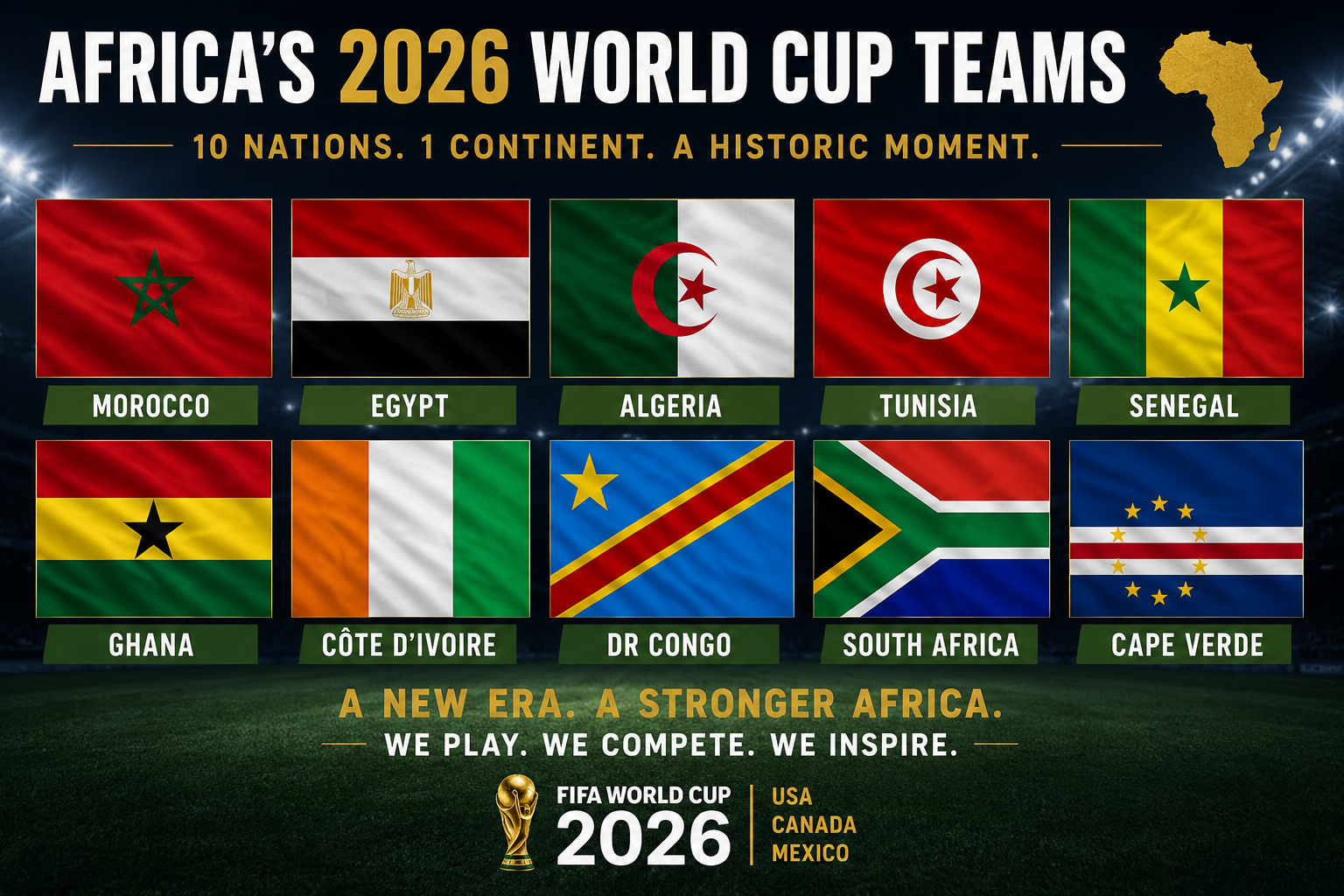
Hosted across the United States, Canada, and Mexico, the first 48-team World Cup was always expected to reshape international football. Instead, it became a defining moment for Africa. A record ten African nations qualified for the tournament, and nine progressed beyond the group stage into the Round of 32—an unprecedented achievement that shattered previous benchmarks and demonstrated that success on the global stage is no longer confined to a handful of traditional powers.
The numbers alone tell a remarkable story, but they reveal only part of a much larger transformation. The performances of African teams reflected years of investment in youth development, improved coaching, stronger domestic structures, better player pathways into elite European leagues, and a growing tactical sophistication that has steadily narrowed the gap with football’s established powers.
For many observers, 2026 will be remembered as the tournament where African football stopped being viewed as an unpredictable outsider and established itself as a genuine force within the global game.
A New Qualification Landscape
The expanded tournament offered Africa more opportunities than ever before, but earning a place remained fiercely competitive.
CAF’s qualification campaign demonstrated just how much the balance of power has shifted across the continent. Nations once considered outsiders challenged—and in several cases overtook—traditional giants.
Cape Verde produced one of the qualification campaigns’ biggest surprises by finishing ahead of Cameroon to secure the nation’s first World Cup appearance. South Africa edged Nigeria to claim a coveted place, while DR Congo survived a dramatic playoff campaign to claim the continent’s tenth berth.
Perhaps the biggest story of qualification was not who made it, but who did not.
Nigeria and Cameroon—two of Africa’s most successful World Cup nations—failed to qualify. Their absence illustrated an increasingly competitive African landscape where history alone no longer guarantees success. Every qualification campaign has become a battle, reflecting the steady improvement of football across every region of the continent.
Different Nations, One Collective Statement
Each African representative arrived with its own ambitions, yet together they produced a collective performance unlike anything seen before.
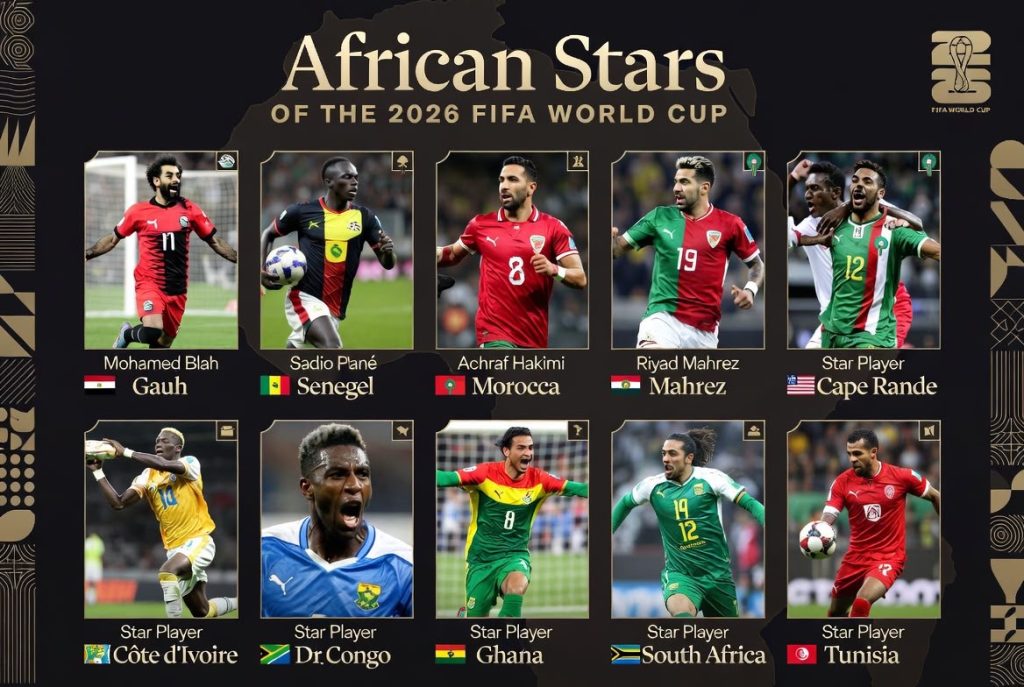
Morocco continued to set the continental standard established during its historic run to the semi-finals in Qatar four years earlier. The Atlas Lions combined defensive organisation with technical quality and entered the knockout rounds carrying Africa’s greatest hopes once again.
Egypt relied upon the experience and leadership of Mohamed Salah, while Algeria marked its return to the global stage with disciplined, resilient football that reminded many why the Desert Foxes remain one of North Africa’s traditional powers.
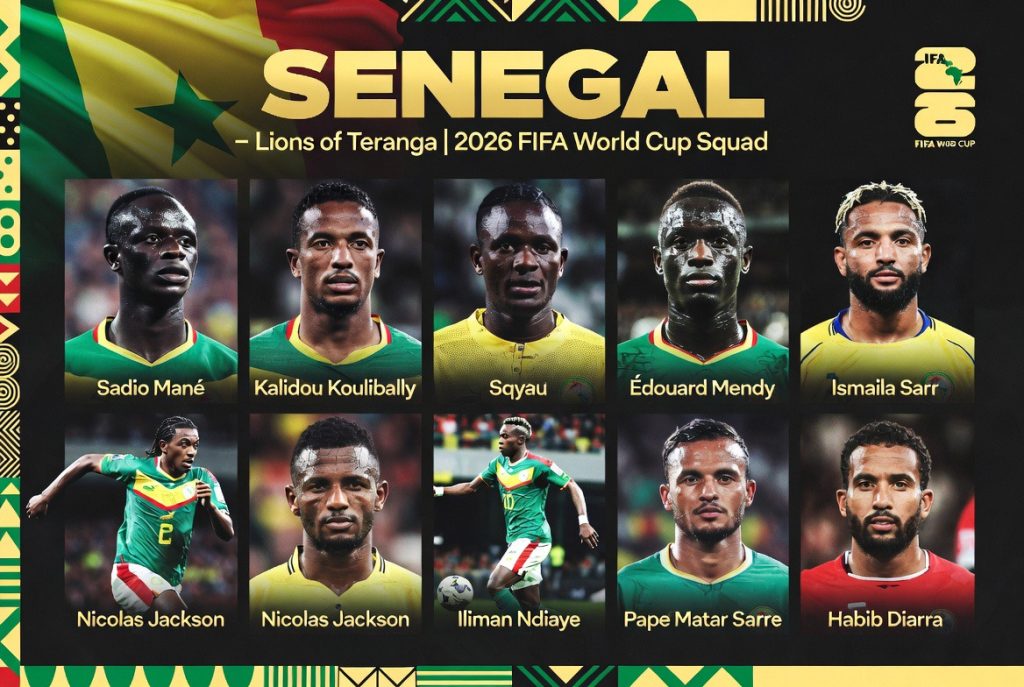
Senegal once again demonstrated why it has become one of Africa’s most consistent international teams. Led by experienced figures including Sadio Mané, the Lions of Teranga balanced physicality with tactical discipline to secure another place in the knockout rounds.
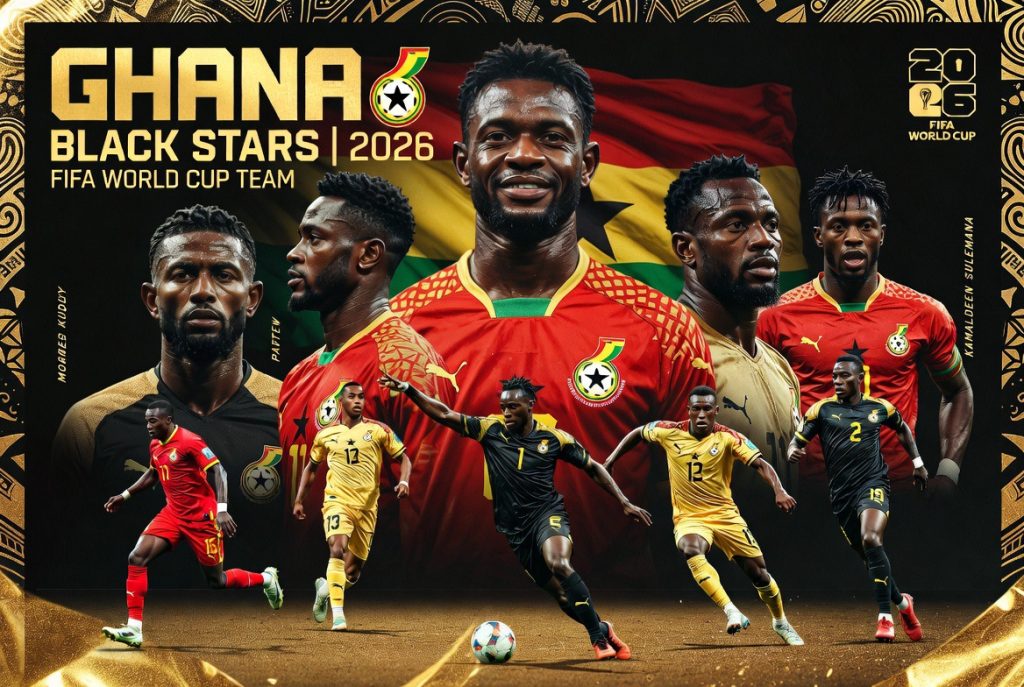
Ghana continued its long-standing tradition of competing confidently on football’s biggest stage, while Côte d’Ivoire built on recent continental success by producing one of its strongest World Cup campaigns.
South Africa emerged as one of the tournament’s feel-good stories. After overcoming Nigeria during qualification, Bafana Bafana carried that confidence into the World Cup, rewarding years of rebuilding with a memorable progression beyond the group stage.
DR Congo embodied resilience throughout the competition, translating the momentum gained from a dramatic qualification campaign into impressive performances against more fancied opponents.
Tunisia proved to be the lone disappointment among Africa’s representatives. While the continent celebrated unprecedented collective success, the Carthage Eagles exited in the group stage, serving as a reminder that progress across African football remains uneven.
Yet no team captured the imagination of neutral supporters quite like Cape Verde.
The Cape Verde Fairytale
Every World Cup produces an underdog that captures global attention.
In 2026, that honour belonged to Cape Verde.
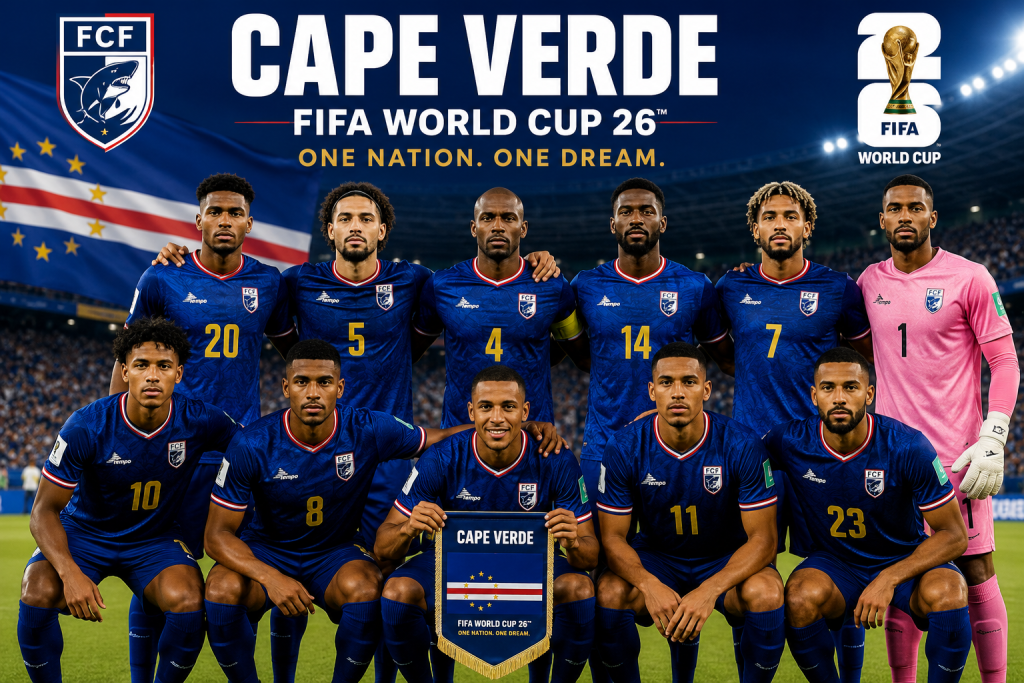
One of the smallest nations ever to qualify for a FIFA World Cup, the Blue Sharks arrived with little international expectation but left with worldwide admiration. Organised, fearless, and tactically disciplined, they frustrated established football powers, earning valuable draws and progressing beyond the group stage against the odds.
Their eventual knockout defeat came only after pushing one of the tournament favourites deep into extra time, a performance that symbolised everything African football has become—competitive, resilient, and increasingly fearless.
Back home, the team’s success sparked celebrations far beyond football. Increased international exposure boosted tourism interest, strengthened national pride, and demonstrated the wider social and economic impact that sporting success can deliver for smaller nations.
More Than Athleticism
For years, discussions about African football often relied on outdated stereotypes centred on pace, power, and athleticism.
The 2026 World Cup challenged those assumptions.
African teams displayed tactical flexibility, defensive organisation, intelligent pressing, and disciplined game management. Coaches adjusted systems according to opponents rather than relying solely on physical advantages, while players demonstrated growing technical maturity developed through experience in Europe’s top leagues and increasingly professional domestic competitions.
Veteran stars such as Mohamed Salah, Sadio Mané, and Achraf Hakimi continued to provide leadership, but the tournament also showcased a new generation ready to carry African football forward.
That emerging depth may ultimately prove more significant than any individual result.
Beyond the Results
Although no African nation ultimately lifted the World Cup trophy, the tournament fundamentally altered perceptions.
Collectively, African teams recorded one of their strongest World Cup performances ever, advancing beyond the group stage at a rate unmatched in previous editions. More importantly, success was spread across the continent rather than concentrated among one or two traditional powers.

North, West, Central, and Southern Africa all produced teams capable of competing with the world’s elite.
That geographical spread reflects deeper structural improvements. Better youth academies, greater investment from football federations, expanded scouting networks, improved coaching education, and stronger links with players developed abroad have all contributed to raising standards.
The expanded World Cup undoubtedly created additional opportunities, but Africa’s performances suggested that qualification alone was not the story. The continent demonstrated that it could compete consistently once it arrived.
Challenges Still Remain
The tournament also highlighted areas requiring continued attention.
Turning impressive group-stage performances into sustained runs towards quarter-finals, semi-finals and ultimately the World Cup title will require continued investment. Squad depth, clinical finishing against elite opposition, and greater consistency remain areas where many African teams can still improve.
For nations such as Nigeria and Cameroon, missing the tournament has already prompted difficult conversations about governance, coaching stability, and long-term player development.
Meanwhile, the success enjoyed by countries such as Cape Verde and South Africa offers valuable lessons about planning, organisation, and maximising available resources rather than relying solely on historical reputation.
A Defining Moment
History may ultimately remember the 2026 FIFA World Cup not simply as the tournament that expanded to 48 teams, but as the competition that transformed Africa’s place in world football.
The continent did not merely increase its representation; it increased its influence.
From Morocco’s continued excellence and South Africa’s resurgence to DR Congo’s resilience and Cape Verde’s unforgettable fairytale, African football produced stories that captivated audiences around the globe while demonstrating a level of consistency rarely seen before.
Perhaps most importantly, expectations have changed.
Future African teams will no longer arrive hoping merely to compete respectably. They will arrive expecting to challenge the world’s best, knowing that the achievements of 2026 have raised the standard for generations to come.
African football is no longer waiting for its moment.
It has entered a new era—one built not on promise, but on performance.