





BLACK RIVER, St. Elizabeth — Mounting concerns over the pace and direction of Black River’s post-Hurricane Melissa recovery are being echoed not only by business leaders but also by the area’s elected local government representatives, who say they have largely been excluded from discussions shaping the future of the historic parish capital.
The Government has announced that additional consultations will be held with business operators and stakeholders as plans advance to redevelop Black River into a climate-resilient town. The commitment, made by South West St. Elizabeth Member of Parliament Floyd Green, follows growing criticism after a survey commissioned by the St. Elizabeth Homecoming Foundation found widespread uncertainty about the redevelopment programme and called for a more inclusive planning process.
Green has rejected suggestions that the Government has adopted a top-down approach, noting that the Urban Development Corporation (UDC) held an initial consultation with approximately 50 stakeholders in February and indicating that further engagement will take place as the project progresses.
However, interviews conducted by Accompong News with the councillors representing the Black River and Brompton divisions suggest many local elected officials believe they have been sidelined despite being the government’s closest link to the communities most affected by Hurricane Melissa.
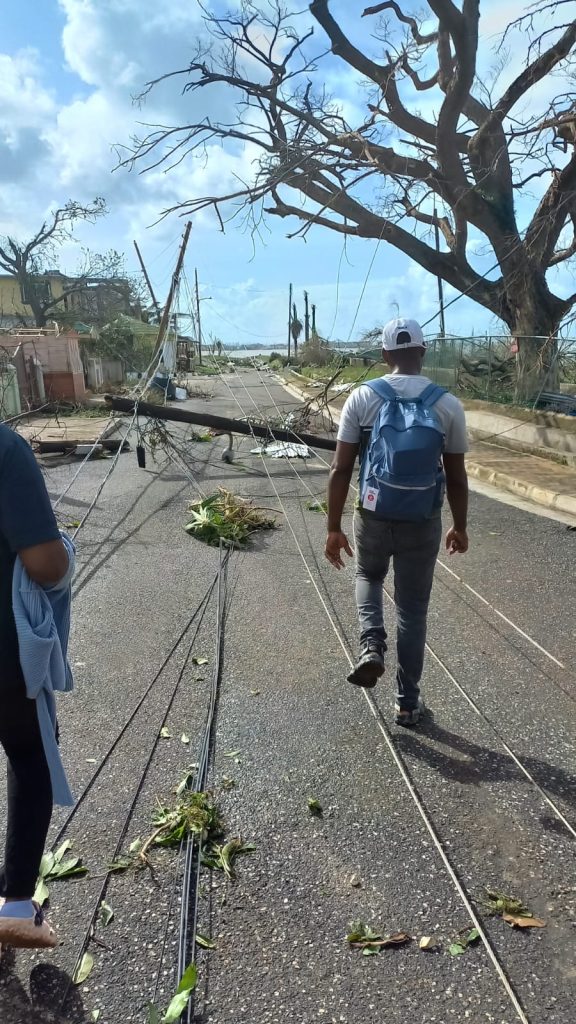
Black River Division Councillor Dwight Salmon said meaningful consultation has been lacking since the disaster struck nearly nine months ago.
According to Salmon, apart from a single town hall meeting held shortly after the hurricane, there has been little direct engagement with residents or local representatives regarding the redevelopment plans.
“The people still have many questions about what is happening, and there has not been the level of dialogue they deserve,” Salmon said, adding that as the councillor for the division, he has not been meaningfully involved in planning discussions despite interacting daily with affected residents and business operators.
Salmon also disclosed that the only direct government assistance he has received to support relief efforts in his division was a $250,000 grant used to provide care packages to residents in the aftermath of the disaster.
Neighbouring Brompton Division Councillor Buchanan voiced similar concerns, saying neither he nor his constituents have been consulted by central government, even though Brompton experienced damage comparable to that suffered in Black River during Hurricane Melissa.
Buchanan said recovery efforts have focused almost exclusively on Black River while neighbouring communities that also endured severe destruction have received far less attention.
He argued that local government representatives should be integral participants in redevelopment planning because they maintain daily contact with residents and possess firsthand knowledge of the challenges communities continue to face.
Both councillors are now urging the Government to engage directly with elected local representatives before finalising major redevelopment decisions.
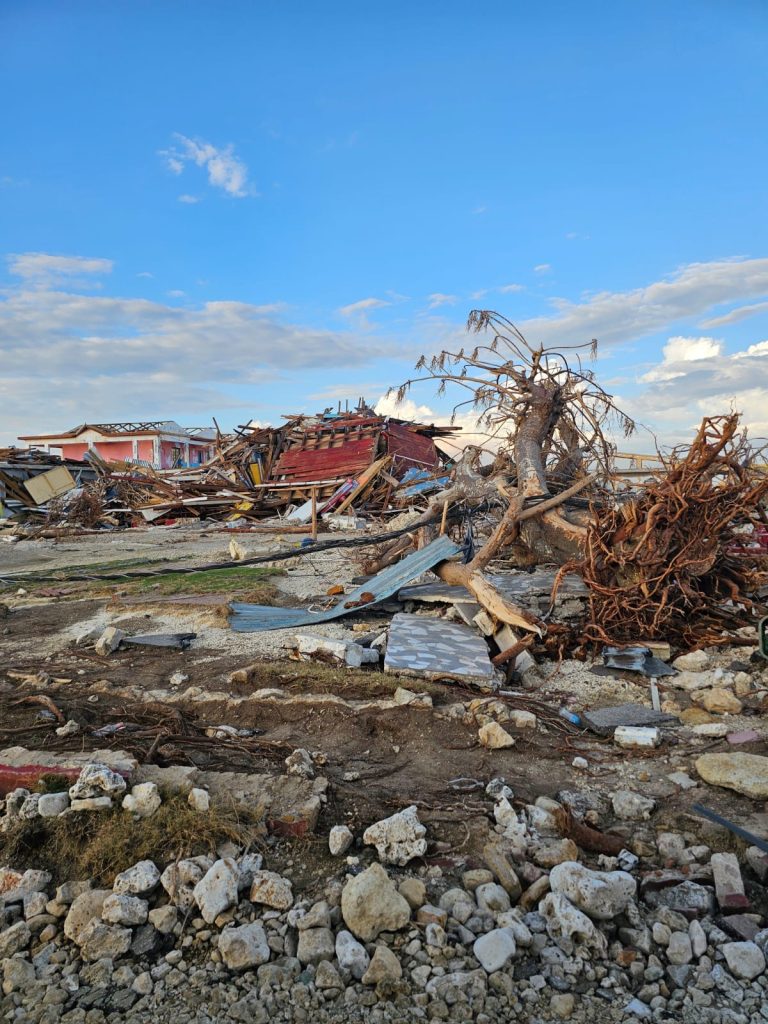
Their concerns mirror those expressed by the business community. The Black River Chamber of Commerce has previously warned that economic recovery remains slow, with only a fraction of businesses fully reopening since the Category 5 hurricane struck on October 28, 2025. Many vendors continue operating from temporary locations while entrepreneurs struggle with financing and uncertainty surrounding the town’s future.
The St. Elizabeth Homecoming Foundation’s business survey similarly found widespread confusion about redevelopment proposals, including possible relocation of sections of Black River to reduce future flood risks. The report recommended replacing what respondents described as top-down policy announcements with sustained consultation that treats business owners, local organisations, and community representatives as partners in the redevelopment process.
The Government has maintained that Black River cannot simply be restored to its pre-hurricane condition. Instead, plans envision a modern, climate-resilient town featuring enhanced coastal defences, a redesigned waterfront, improved tourism infrastructure, and a new inland urban centre to house key public services.
As the redevelopment enters its next phase, residents, business leaders, and local councillors appear united on one point: rebuilding Black River requires more than infrastructure investment. They argue that meaningful consultation with those who live, work, and represent the community will be essential if the ambitious vision for the town is to earn public confidence and achieve lasting success.