



Removing the requirement that Jamaica’s Speaker of the House be a sitting MP may seem like a clean institutional fix, but it risks weakening the democratic foundations the office upholds.
Frustration with perceived bias in the Chair is not new or unique to any Speaker. However, treating this as proof of a flawed system and the need for impartiality outside elected politics misdiagnoses the problem.
Parliament is a political institution, not a courtroom or technocratic body. It’s where competing mandates are tested and negotiated. The Speaker manages this system, not outside it. Requiring the Speaker to be an MP ensures they understand the pressures, responsibilities, and realities of elected office.
That matters more than acknowledged. An MP-turned-Speaker brings practical knowledge of parliamentary tactics, constituency expectations, and legislative decision-making. This is essential context, not ‘political baggage’. A presiding officer without electoral experience may have technical expertise but lacks the democratic grounding that gives authority to their rulings.
The argument for a non-elected Speaker relies on neutrality, but it’s not guaranteed by professional background. A former judge, civil servant, or legal expert is still shaped by personal views, institutional loyalties, or prior associations. The difference is that these influences are less visible and less accountable to the public.
At least with an MP, the public knows their background, record, and conduct. That’s a form of accountability that should not be discarded.
The existing system already promotes impartiality. In Westminster-style parliaments, Speakers are expected to rise above party allegiance, subject to the House’s standing orders, member scrutiny, and potential removal. Strengthening enforcement is the solution, not abandoning democratic principles.
Importing models from other jurisdictions without local context is risky. Smaller territories or different political systems may function well with non-MP Speakers, but Jamaica’s adversarial and scrutinised political culture makes a Speaker without an electoral mandate’s legitimacy questionable, especially in high-stakes rulings. This could intensify conflict, as parties challenge not just decisions, but the authority of the person making them.
The question is not whether the Speaker should be political, but whether the chosen individual can rise above partisanship. Jamaica has many such candidates.
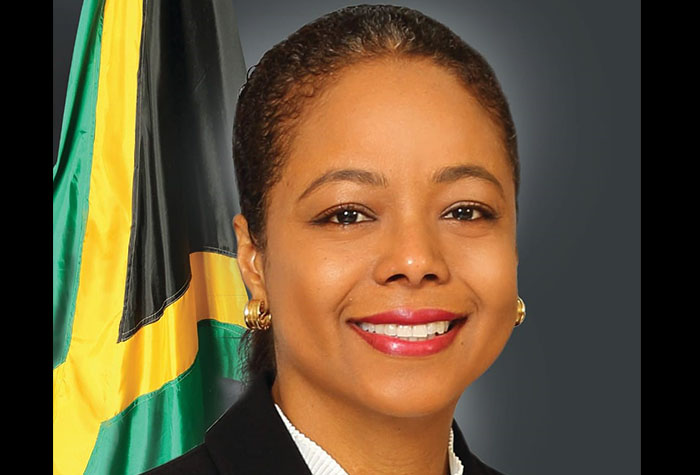
Marlene Malahoo Forte stands out. With a background in law and public service, she brings technical expertise and parliamentary experience. Her ministerial roles required navigating complex legal and constitutional issues, the kind of discipline and procedural command the Speakership demands.
She also understands the weight of representation. As an elected MP, she has engaged with constituents and participated in debates a Speaker must now regulate. Her legal precision and political experience position her well to command respect across the aisle.
Appointing someone like Malahoo Forte preserves the essential democratic link. Her authority would not rest solely on professional credentials, but on a mandate shaped by the electorate and tested in Parliament. That legitimacy matters in a chamber where rulings are often contested and trust must be actively maintained.
The British model, often cited as imperfect, illustrates the strength of the MP requirement. Speakers there are elected from within the House, shed party affiliation, and build authority over time through consistency and restraint. Their legitimacy is rooted both in democratic origin and institutional conduct—a balance worth preserving.
If there is a structural issue, it lies less in who the Speaker is and more in how the role is protected and enforced. Clearer rules, stronger conventions, and a shared political commitment to respecting the Chair would go further than replacing an elected Speaker with an unelected one.
Reform should be careful not to confuse distance from politics with independence. In a Parliament, legitimacy flows from the people, through their elected representatives. Removing that link from the Speakership may solve a perception problem, but it risks creating a deeper one: a presiding officer who governs the House, but does not fully belong to it.
Jamaica’s challenge is not that its Speakers are too political. It is that its politics too often overwhelms its institutions. The solution lies in strengthening those institutions—not stepping outside them.