





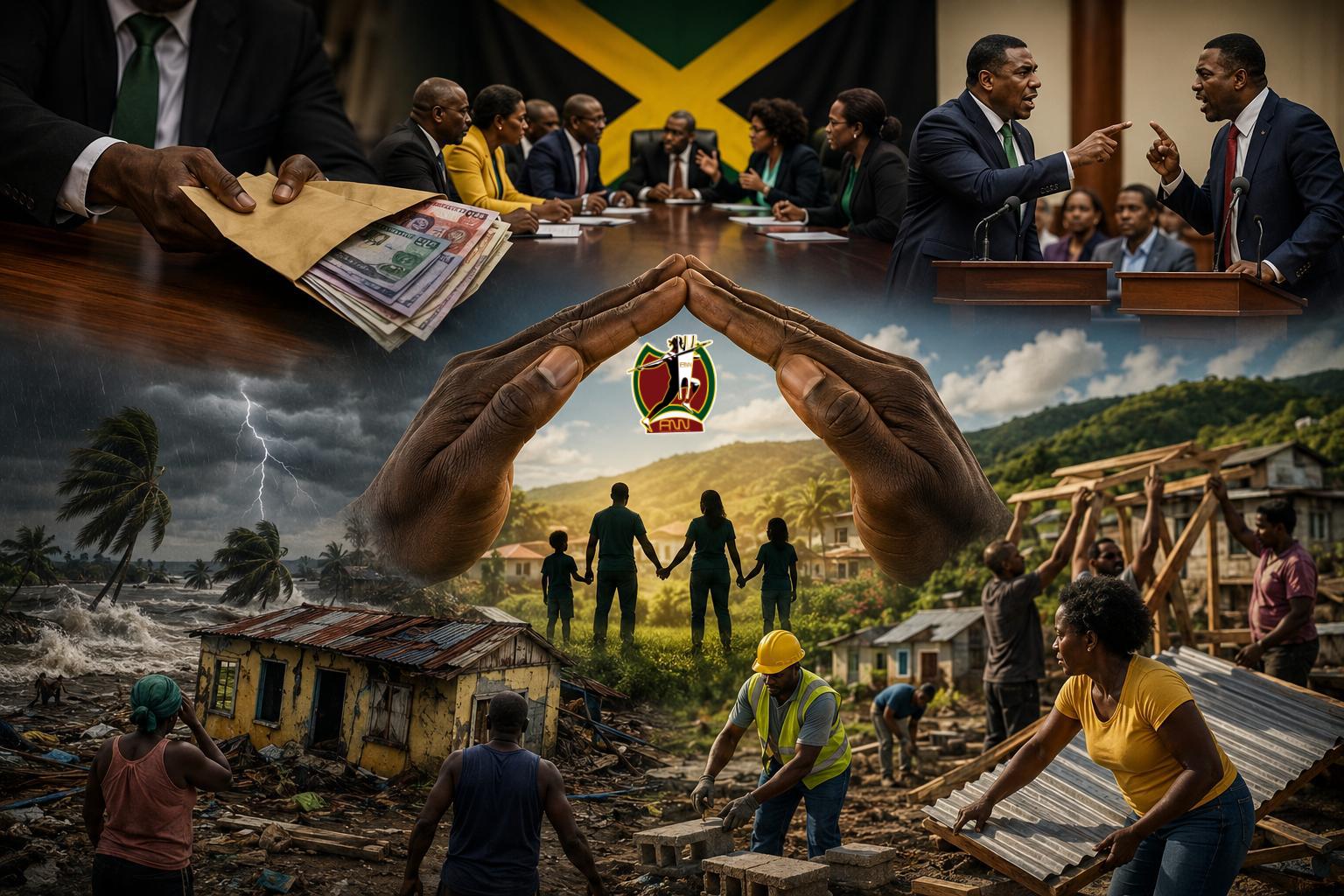
The past two years have served as a stark reminder of Jamaica’s vulnerability to natural disasters. Hurricanes along the island’s southern belt, including Hurricane Beryl and Hurricane Melissa, left behind billions of dollars in infrastructural damage, disrupted livelihoods, and exposed weaknesses in disaster preparedness and recovery systems.
In the aftermath of these events, political debate between the government and the opposition has continued. However, many Jamaicans are asking a more pressing question: what tangible changes are being made to strengthen communities and better protect citizens from increasingly severe weather events?
Taxpayers contribute significant resources to the state with the expectation that public funds will be used to improve their quality of life and ensure their safety. As climate patterns become more unpredictable and storms more intense, there is a growing expectation that government spending should prioritise resilience, preparedness, and long-term development.
In the lead-up to the 2025 general election, political parties actively campaigned for the opportunity to govern. Now, faced with recurring threats to life and property, citizens are looking beyond campaign rhetoric and seeking practical solutions. The focus must shift from political point-scoring to policies and investments that directly benefit the people.
Public officials occupy important constitutional offices, whether as Prime Minister, Leader of the Opposition, or representatives at the local level. While political differences are an inevitable part of democracy, citizens expect those entrusted with leadership to deliver results. The responsibility of government extends beyond debate and criticism; it includes safeguarding communities and preparing the nation for future challenges.
As another hurricane season approaches, experts note that while El Niño conditions may reduce the likelihood of major hurricanes, Jamaica remains vulnerable to tropical storms, depressions, flooding, and other severe weather events. For many families still recovering from recent disasters, the threat remains real and immediate.
Jamaica’s Westminster-style system of government provides a framework for democratic governance, but the country’s unique social, economic, and environmental realities require leadership that is responsive to local needs. Increasingly, there are calls for a political culture focused less on partisan conflict and more on practical solutions that improve the welfare of citizens.
Transparency and accountability must therefore remain central to public administration. Taxpayers deserve to know how funds are being allocated and whether investments are producing measurable benefits. At the national and local levels alike, public resources should be directed toward strengthening infrastructure, improving disaster preparedness, supporting vulnerable communities, and building resilience against future storms.
Ultimately, the measure of leadership is not found in political exchanges but in the ability to improve the lives of the people. Jamaicans expect that the resources entrusted to their leaders will be used responsibly, transparently, and effectively to secure a safer and more prosperous future for generations to come.